Industrial equipment is considered a valuable purchase, and hence long-term reliability is an important consideration for all companies. The unexpected malfunctioning does not only disrupt the process but also raise the cost of maintenance and lower the efficiency level. Real-time vibration analysis can be considered one of the most useful ways of monitoring the state of the equipment and being aware of changes in its condition. The following tips show how vibration analysis helps to increase the life of machines and their reliability.
Establish Equipment Performance Baselines
The creation of baseline data on vibrations for all machines offers an excellent base for future performance comparisons. All machines have their individual vibrations based on how well they perform under normal operating conditions. By documenting all this information, it becomes easier to notice anything out of the ordinary, as well as any form of degradation that may be taking place. This is because engineers are able to compare the current data against previous information in order to know whether the machine needs repair. This systematic approach reduces uncertainty, improves diagnostic accuracy, and prevents unnecessary maintenance activities. Consistent baseline tracking also supports better planning by revealing long-term performance trends across multiple assets.
See also: Should Families Have the Final Say in Body Donation Decisions?
Prioritize Early Fault Detection
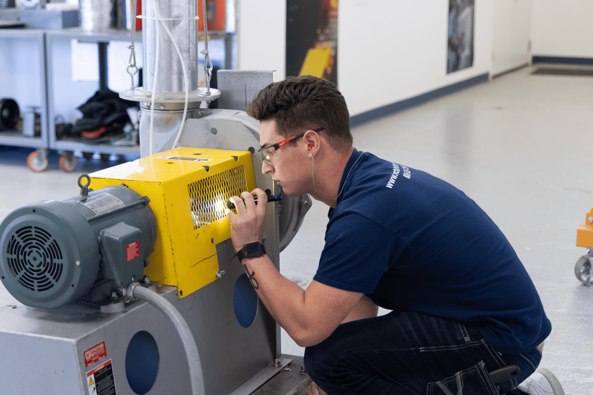
The best thing about the real-time vibration monitoring system is the ability to detect a potential issue before it causes any problem with the machinery. Even the slightest alteration in vibration can suggest bearing wear, imbalance in the shaft, looseness, or misalignment, which are not easily detected by visual inspection. Acting quickly prevents minor defects from escalating into costly breakdowns that disrupt productivity and damage related components. Organizations that invest in dependable remote vibration monitoring solutions gain continuous access to machine condition data, enabling maintenance teams to respond promptly instead of relying on scheduled inspections alone. Early intervention minimizes repair costs while preserving the structural integrity of valuable assets.
Use Data to Schedule Predictive Maintenance
Vibration analysis in real-time will change maintenance procedures from reactive to proactive. Instead of reacting to failure or changing parts at predetermined intervals of time, the condition of the machinery can inform the best possible time to carry out maintenance. This helps to cut down on unnecessary downtime and prevent replacement of machinery when it is still functioning well. Predictive maintenance also enables proper scheduling of personnel, inventory, and budgets associated with maintenance activities. With increased information regarding the condition of machinery, decision-makers will have a clear understanding of its performance.
Monitor Operating Conditions Continuously
However, machines do not usually run under the same circumstances throughout their service cycle. Environmental factors, requirements for production, or workload changes may affect how vibrations behave in certain instances. Constant surveillance allows one to track these changes immediately when they happen and become aware of any abnormalities. Alerts provided in real-time allow operators to analyze any potential problems before severe stress leads to permanent equipment damage. Moreover, constant surveillance helps identify any trends that might suggest inefficiency or incorrect machine operation. By responding promptly to changing conditions, organizations can maintain stable equipment performance, reduce wear, and support safer working environments without interrupting production unnecessarily.
Combine Vibration Insights With Preventive Maintenance
The value of vibration analysis is highest when used in combination with current preventive maintenance procedures. Regular inspection, lubrication, alignment, and replacement of components are important in keeping machines healthy. But by adding vibration analysis into this process, a more holistic view of the status of the machine can be gained. The maintenance staff can check if the machine’s problems have been rectified through the repair done, while also discovering new problems that would not have been detected using the current methods. Over time, organizations benefit from fewer unexpected failures, lower repair costs, and more reliable production performance.
Vibration analysis in real time has become an important tool for any organization aiming to ensure that its machines operate for as long as possible and achieve maximum efficiency. The continuous monitoring of machinery, obtaining an adequate performance baseline, the implementation of predictive maintenance, and proper maintenance practices can help minimize any unnecessary time outages and protect important assets. Being able to detect a problem before it leads to any serious consequences will enable the organization to avoid losses.