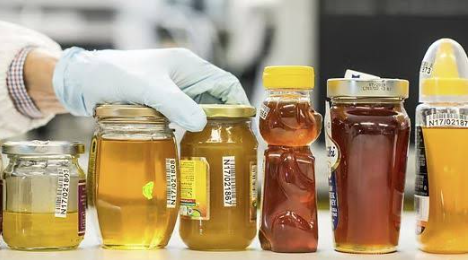
A jar of honey can look simple, yet the buying experience can be very different depending on where it comes from. Grocery stores offer speed, familiar brands, and the chance to hold the jar before paying. Online shopping offers specialty varieties, producer information, and products that may never appear at a nearby store. A honey website can also make it easier to compare floral sources, sizes, processing styles, and certifications in one place. The real difference comes down to selection, information, price, freshness, convenience, and trust.
What Changes When Honey Moves From Shelf to Screen
The biggest difference is the amount of information available before purchase. A grocery store usually gives shoppers a label, a price tag, and a few details on the packaging. Online stores can provide longer product descriptions, sourcing information, photos, reviews, shipping details, and explanations of different varieties.
That extra information can make specialty honey easier to understand. It also means shoppers need to read product pages carefully instead of choosing only from a front label.
See also: What Makes a Platform Supply Vessel Efficient on Repetitive Offshore Runs
Product Selection
Grocery stores usually focus on popular honey products that suit a wide range of shoppers. Their limited shelf space means they can only stock a smaller selection, such as:
- Blended and filtered honey for everyday use
- Organic varieties for shoppers seeking specific options
- Flavored honey in a few common choices
Online sellers can offer a much wider selection because they are not restricted by physical shelf space. A single honey website may carry regional and raw honey, honeycomb, floral varieties, gift sets, and larger containers.
Sourcing Information
Origin matters because nectar sources can influence honey’s color, aroma, texture, and flavor. A grocery label may identify the country or region, but the amount of detail varies between products.
Online producers often have more room to explain where their honey comes from and how it is collected, extracted, filtered, or bottled. This can be useful for shoppers who care about a specific floral source or want to understand what makes one variety different from another.
Price More Than the Sticker
A grocery store makes price comparison quick. Several jars may sit beside one another, making it easy to compare size and cost. There are also no delivery charges when the product is taken home during a regular shopping trip.
Online prices require a wider calculation. A jar may appear inexpensive until shipping is added. Larger orders can make delivery costs less significant, especially when a store offers free shipping above a certain order value. Sales, bundles, subscription offers, and larger containers can also change the final cost.
What to Compare Before Paying
- Price per ounce: Compare the amount of honey in each container rather than relying on the total jar price.
- Shipping: Add delivery charges to the product cost to understand the actual purchase price.
- Quantity: A larger jar can offer better value for households that use honey regularly.
- Promotions: Online stores may offer discounts or free shipping that are unavailable on the grocery shelf.
Freshness and Storage Matter
Honey has a long shelf life when stored properly, so the difference between online and grocery purchases is rarely as simple as one being automatically fresher. Storage conditions matter more than the shopping channel.
A grocery store lets shoppers see the physical package before buying. Online shoppers rely on the seller to package the jar securely and send it through a delivery network. Heat exposure, poor sealing, or rough handling can affect the condition of the package, even though honey itself is naturally stable.
Look for clear storage guidance and packaging information. A reputable seller should make product details and shipping policies easy to find.
Convenience Works Differently
Grocery shopping wins on immediacy. The jar can be picked up during a routine trip and used the same day. There is no waiting for delivery, and there is no need to plan around a parcel arriving. Online shopping works well when convenience means avoiding travel or finding something specific. Repeat purchases can also be simpler when a preferred product can be ordered from the same seller.
For people with limited local options, the online route can turn a specialty purchase into a straightforward delivery.
Reviews
Grocery shoppers often rely on packaging, brand familiarity, and personal experience. Online shoppers have access to customer reviews that can reveal useful details about flavor, packaging, delivery, and overall satisfaction.
Reviews still need context. A comment about a favorite flavor is personal preference rather than a universal fact. Delivery experiences can also vary with location and season. Looking at multiple reviews gives a clearer picture than relying on one unusually positive or negative comment.
Labels and Product Claims
A polished package does not tell the entire story. The ingredient list, origin statement, processing description, certifications, and seller information provide more useful clues.
When comparing two jars, focus on details that relate directly to the intended purchase. Someone seeking a specific floral variety needs different information from someone who simply wants honey for tea or baking.
Useful Details to Compare
| Detail | Grocery Store | Online Store |
| Variety | Usually limited | Often broader |
| Product information | Mostly on package | Often more detailed |
| Immediate purchase | Yes | No |
| Reviews | Limited in-store | Usually available |
| Shipping cost | None | May apply |
| Specialty products | Less common | Often easier to find |
Neither option automatically provides better honey. The difference is mainly in access, information, and convenience.
Online Experience Offers More Choice
One major advantage of buying from a honey website is the ability to explore products from producers that specialize in particular varieties. A shopper can compare raw honey with filtered options, look at different floral sources, and review product sizes without visiting several stores.
The online format can also make gift shopping easier. Honeycomb, sampler boxes, specialty jars, and larger presentation-ready packages can be displayed together. This gives shoppers more options than a typical grocery aisle. At the same time, grocery stores remain useful for simple purchases. Someone who needs a jar for breakfast, baking, or a recipe today may value immediate access more than a larger selection.
Which Buying Method Fits the Purchase?
The right option depends on what matters most for the specific purchase. Neither channel is automatically superior because shoppers have different priorities.
Choose a grocery store when:
- Speed matters: The honey is needed immediately.
- Simple selection works: A familiar everyday product is enough.
- Delivery is inconvenient: Avoiding shipping fees or waiting time is important.
Choose online shopping when:
- Variety matters: A specialty or regional honey is the goal.
- More information helps: Sourcing, processing, reviews, and product details matter.
- Repeat ordering is useful: A preferred product can be reordered without another store trip.
Making A Smarter Honey Purchase
The best comparison starts with the actual product rather than the shopping channel. Look at the honey’s source, ingredients, size, processing details, seller reputation, and total cost. Then consider how quickly the product is needed.
A grocery shelf provides physical access and immediate convenience. Online shopping provides broader choice and more room for product information. Both can work well when the purchase matches the shopper’s priorities.
FAQs
Is it better to buy honey online or from a grocery store?
Buying honey online offers a wider selection, detailed sourcing information, customer reviews, and access to specialty varieties. Grocery stores provide immediate availability and allow shoppers to see the physical product before purchasing.
What should I look for when buying honey online?
Look for clear information about the honey’s source, floral variety, ingredients, processing method, package size, seller, and shipping. Product reviews and available quality or laboratory information can also help you make a more informed purchase.
Is honey from a grocery store the same as honey bought online?
Not necessarily. Honey sold through either channel can vary in source, processing, filtration, flavor, and quality. The shopping channel itself does not determine the honey’s characteristics, so compare the product label and available sourcing information before buying.
Takeaway
Buying honey online and buying it from a grocery store offer different advantages. Grocery stores provide speed and easy physical comparison, while online sellers often provide greater variety, detailed product information, reviews, and access to specialty honey. The smartest choice depends on the product needed, total cost, convenience, and level of information desired.
Smiley Honey offers Tupelo honey, raw honey varieties, honeycomb, samplers, and gift selections through its online store. The company operates its own apiary, extraction, and bottling operations in Gulf County, Florida, and provides sourcing and product details for shoppers exploring specialty honey. Its selection gives online buyers another option when a wider range of honey varieties is difficult to find locally.
Read More: A First-Timer’s Guide To Buying Raw Honeycomb Online