Water heaters work quietly until they just stop working. Most homeowners notice problems only when showers go cold or leaks start. Early signs appear long before total failure, but they seem to blend into daily routines. Catching them early saves thousands in emergency repairs and water damage that follows sudden breakdowns.
Spotting trouble ahead of time makes water heater replacement a smart choice rather than a panic decision. You avoid weekend crises, flooded floors, and inflated labour costs that come with urgent calls. Technicians can assess the unit properly and recommend efficient models that match household needs without guesswork or rushed choices.
Heating Patterns That Slow Gradually
Recovery Time Stretching Longer: Hot water takes longer to return after heavy use. Morning showers or laundry loads reveal the lag as the tank struggles to catch up. That gradual slowdown signals weakening burner or element performance long before capacity drops completely.
Temperature Swings During Peak Demand: Water alternates between scalding and lukewarm within one shower. Internal components fail to maintain steady output, creating frustrating inconsistency. These fluctuations worsen over months, hinting at thermostat issues or sediment accumulation inside the tank.
Lower Output Volumes Overall: Less hot water flows from taps even when settings stay the same. Families notice dishes staying greasy or baths filling cooler than expected. Capacity fades slowly, masking the real problem until demand exceeds what remains.
Inconsistent Pressure At Fixtures: Flow weakens at distant taps while in the kitchen it stays strong. Pipe scale or pump wear creates uneven delivery patterns. That variation grows worse, forcing manual adjustments across bathrooms and laundry rooms daily.
See also: Crypto Adoption by Global Businesses
Sounds That Signal Internal Wear
Popping Noises From Sediment Layers: Bubbling or crackling sounds come from mineral deposits heating unevenly at the tank bottom. Water boils against a hardened scale, creating pressure that forces its way through. Those familiar pops grow louder as buildup thickens over years of hard water exposure.
Rumbling During Operation Cycles: Deep groaning or vibrating accompanies burner firing. Loose components or failing motors create resonance that travels through pipes. Occasional bangs turn regular when metal fatigue sets in, warning of bigger structural problems ahead.
High-Pitched Whining At Startup: Piercing tones signal pumps or valves straining against restriction. Water struggles to circulate past corrosion or debris, creating backpressure. That whine often precedes total lockup when internal passages narrow further.
Ticking Sounds Between Cycles: Metal contraction warns of failing dip tubes or valves. Those small clicks multiply as thermal expansion stresses weaken joints. Early detection prevents leaks that start as drips but become floods overnight.
Why People Wait Until Crisis Hits
Routine Becomes The Blind Spot: Daily patterns mask decline so well that lukewarm showers seem normal after a while. Families adapt around limits rather than question the source. You live with “good enough” until a guest complains or vacation guests overwhelm remaining capacity suddenly.
Cost Avoidance Creates False Economy: Replacement quotes feel daunting when the unit still produces some hot water. Monthly bills creep up from inefficiency, but cash flow concerns delay action. That short-term thinking ignores escalating repair costs and inevitable emergency rates later.
Lack of Visible Damage Delays Action: No leaks mean no urgency for most homeowners. Tanks hide corrosion, scale, and fatigue behind insulated walls. Anode rod depletion happens silently until acid eats through tank steel completely, often without external warning until failure strikes.
Misjudged Capacity Limits: Larger households overestimate aging units based on past performance. Occasional success with staggered laundry or shower timing creates overconfidence. Reality hits during holidays or guests when demand reveals true limits painfully.
Familiarity Breeds Complacency: Units lasting 15 years seem immortal until they fail spectacularly. Friends’ stories of “getting another year” encourage delay despite mounting evidence. That optimism costs thousands when total replacement becomes unavoidable.
Benefits of Moving Early Save Headaches
Predictable Scheduling Fits Your Calendar: Planned replacement happens during business hours on your timeline. No scrambling for emergency service or rescheduling family plans around technician visits. You control timing instead of reacting to sudden cold showers.
Energy Savings Start Immediately: Newer models cut gas or electric use by up to 50 percent through better insulation and efficient burners. Monthly bills drop noticeably within first cycles as standby losses disappear. That savings compounds over the unit’s decade-long lifespan.
Warranty Protection Covers Future Repairs: Factory warranties cover parts and labour for 6-12 years typically. Early replacement locks in coverage before age voids protection. You avoid self-pay repairs that standard policies exclude after certain mileage thresholds.
Improved Efficiency Reduces Wear: Modern controls optimise firing cycles and prevent short-cycling that stresses components. Consistent temperatures mean less runtime overall. Your household enjoys reliable performance while utility costs trend downward steadily.
What Technicians Check Before Recommending
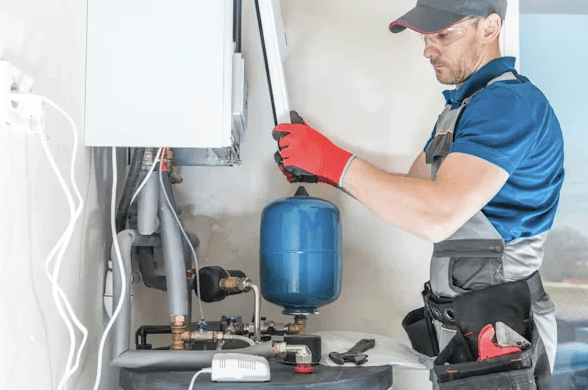
Tank Condition Through Access Points: Experts inspect anode rods, valves, and burner assemblies directly. Corrosion levels, scale thickness, and pressure readings give clear replacement timelines. Visual checks reveal issues hidden from homeowners completely.
Flow Rates and Pressure Testing: Gauges measure delivery consistency across fixtures. Low readings confirm internal restriction or weakening pumps. Baseline data helps size correct replacement capacity for household demands accurately.
Electrical or Gas Safety Checks: Burners show uneven flames or soot buildup indicating poor combustion. Wiring connections loosen over time, risking shorts or failures. Safety first prevents hazards before they become emergencies.
Key Signs Your Heater Needs Attention
- Hot water recovery slows noticeably after morning routines.
- Temperature varies wildly during single showers or baths.
- Popping, rumbling, or whining accompanies normal operation.
- Monthly energy bills rise despite same usage patterns.
- Rusty or discoloured water appears at taps occasionally.
- Unit age exceeds 8-12 years regardless of symptoms.
Hot Water Reliability That Lasts
Early action keeps hot water flowing without drama or disruption. Waiting trades convenience for crisis management that nobody enjoys. Technicians turn replacement into a simple upgrade that powers mornings reliably for years ahead. Schedule assessment now before subtle signs become impossible problems.