The pressure of rat sightings at a restaurant is much more likely than inside a home. One council inspection and the place can shut down by evening. It takes years to get back the reputation you have built so far. Home pest problems are stressful, but business pest problems carry legal weight, public reputation damage, and financial risk all at once. This is why commercial pest control needs to work differently. The approach to reporting and scheduling everything is different. Let’s break it down.
Why Commercial Properties Attract More Pests
There are many aspects that make commercial pest control necessary within businesses. The likes of garbage areas, loading docks, heated storerooms, high traffic, waste from food and the common walls with other units provide access routes and sources of food to the pests. For example, consider a café adjacent to a dry cleaning shop adjacent to a gym. Pest access to all three is very easy via the voids, drains and roof spaces. But how effective would treatment of a single area be?
The humid climate of Auckland adds another layer to it. Rodents, cockroaches, flies and ants stay very active year-round, especially in commercial spaces, because the heat stays stable and food sources never run out.
The Commercial Approach Starts with Inspection, Not Spray
A qualified pest technician will start with a full site inspection, mapping out entry points, harbor zones, pest activity, and food courses and also look for gnaw marks, droppings, and grease trails along wall bases. This inspection is your base for a site-specific plan.
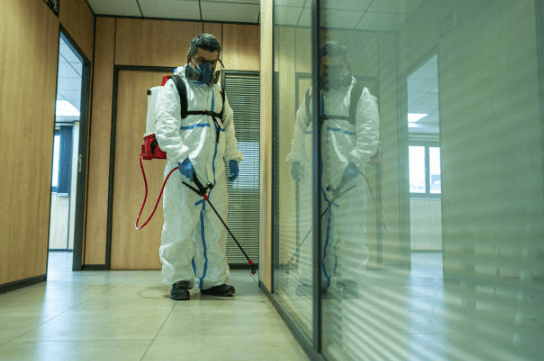
Next will be the treatment strategy, which may include bait stations, physical exclusion work, targeted sprays, trap systems and monitoring points placed in risk zones.
Why Paperwork Matters as Much as the Treatment
A firm needs evidence regarding pest control for purposes of audit, local council inspection, and insurance requirements. Food business premises in New Zealand operate within the framework of the Food Standards Code, which also includes pest prevention as a component of good handling practices for safe food.
In line with AEPMA & PMANZ recommendations for pest managers, the registered pest manager needs to have record keeping regarding pesticide application and valid Public Liability and Professional Indemnity Insurance. Lack of documentation may cause failure in audits regardless of the absence of pests.
Scheduled Service, Not One-Off Callouts
Homeowners usually arrange for pest control after recognising an issue, but the same cannot be done by business organisations. Most commercial agreements operate according to a timetable, where office and retail establishments receive services monthly, while hazardous facilities such as abattoirs and factories receive services weekly.
Each visit will include inspection, treatment adjustments, bait refreshes, trap checks, and a fresh report. The goal is prevention, not cure. Catching activity before it becomes an infestation keeps the business trading and the reputation intact.
Products and Qualifications Differ Too
There will be differences between the chemicals used at a commercial site as opposed to a domestic one. The dosages will differ, application sites differ, species of pests to target vary, and limitations regarding safety will also be different for the two properties.
For the use of Class 9 pesticides under the Hazardous Substances (Hazardous Property Controls) Notice 2017, it is mandatory that a UPM contractor apply such pesticides. A company’s applicators who are PMANZ registered, Public Liability Insurance, and Health and Safety policies compliant fit the criteria.
Ecosan Solutions is a PMANZ, IICRC, and EPA Class 6.4 A&B certification holder, which is vital information for a council officer requesting proof of qualifications on-site.
See also: The Subtle Signs Your Water Heater Is Ready for an Upgrade Before It Becomes Urgent
Minimising Business Disruption
Businesses often cannot empty out during a pest treatment, and hence, commercial pest control has to fit around trading hours. It could be an early morning service, after-hours treatment, or a quiet Sunday visit. Discreet service matters too. Customers walking past bait stations or spray equipment can damage the brand even when the treatment is working.
What Happens If a Business Skips Commercial Pest Control
Skipping commercial pest control costs a lot to businesses. The recovery cost almost always beats the cost of regular pest management. Legal exposure, lost revenue, damaged inventory, failed audits, staff complaints, and council intervention can pile up quickly. So get a site inspection, set up a scheduled service plan, and keep the documentation current. That is how commercial properties stay trading without nasty surprises.
Talk to Ecosan Solutions About a Commercial Plan
Ecosan has been providing pest control services for businesses in Auckland for more than 25 years. Whether you run a restaurant, food factory, office building, or retail store, we have the knowledge required to provide the right service without causing any inconvenience. For your consultation, please call us on 0800 326 726. Reuben and his team will discuss your requirements and arrange for pest control services throughout the year.