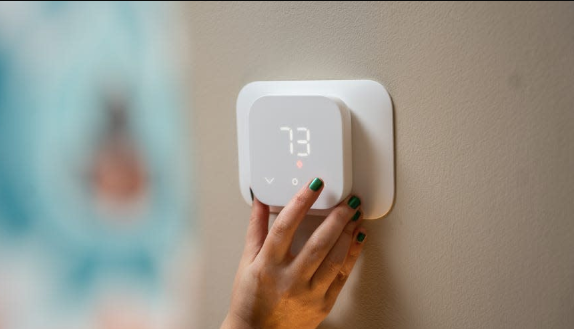
The proliferation of smart devices has introduced significant security risks. Many users overlook the importance of safeguarding their devices, often leaving default settings intact. This can lead to unauthorized access and data breaches. To mitigate these risks, understanding the necessary precautions is essential. Effective strategies can greatly enhance digital security. However, these measures are often underestimated or ignored. What steps can individuals take to protect their devices from potential threats?
Understand the Risks of Smart Devices
How can users effectively safeguard their privacy in an era dominated by smart devices? Understanding the risks is crucial, as privacy concerns arise from constant data collection and potential data breaches.
Users must recognize how these devices can compromise personal information, leading to unauthorized access. Awareness of these threats empowers individuals to make informed decisions, thereby enhancing their digital freedom and privacy safeguards.
Change Default Settings for Enhanced Security
Changing default settings is a vital step in enhancing the security of smart devices. Users should diligently adjust privacy settings to limit data sharing and enhance personal control.
Moreover, configuring network security options, such as disabling unnecessary features or enabling encryption, fortifies device resilience against unauthorized access.
These proactive measures empower individuals, ensuring their smart devices align with their expectations for privacy and security.
See also: How to Recognize Phishing Emails
Use Strong Passwords and Multi-Factor Authentication
Although many users underestimate the importance of strong passwords, they play a critical role in safeguarding smart devices from unauthorized access.
Effective password management involves creating complex, unique passwords for each device and utilizing advanced authentication methods, such as multi-factor authentication.
This layered security approach significantly reduces the risk of breaches, empowering users to protect their digital freedom and maintain control over their personal information.
Regularly Update Device Firmware and Software
While many users may overlook the necessity of keeping device firmware and software up to date, regular updates are fundamental for enhancing security and functionality.
Firmware updates and software patches address vulnerabilities that malicious entities exploit, thereby fortifying devices against potential threats.
Conclusion
In an era reminiscent of Pandora’s box, the proliferation of smart devices invites both innovation and peril. By implementing robust security measures—such as modifying default settings, employing strong passwords, and ensuring timely updates—users can mitigate potential threats to their privacy. As the digital landscape evolves, vigilance remains paramount; safeguarding one’s personal information is not merely a precaution, but a necessary defense against the encroachment of ever-present vulnerabilities. Ultimately, informed action is key to navigating this complex technological terrain.