Metal waste builds up quickly. You don’t dispose of it for a few weeks, and it will pile up and get in the way of operations. The good news is that arranging scrap metal collection in Melbourne is not complicated. However, there are a few things worth knowing before you make the call. Not every recycler works the same way, and not every load qualifies for collection. Let’s explore more.
Who Actually Qualifies for Commercial Collection
Services that offer scrap metal collection in Melbourne are generally designed for commercial and industrial sites like demolition contractors, manufacturing plants, construction sites, industrial fit-outs and fabrication workshops; and not for a handful of items. These operations generate the volume required to make a collection run worth arranging.
How to Prepare Your Site for Collection
Once the volume is confirmed, start by grouping the materials by type. Separate ferrous metals from non-ferrous and remove contaminants like rubber seals, plastic fittings, or other non-metal attachments because these reduce the grade of the material and also affect pricing. There should be clear access for a collection vehicle. Sites that have no clear entry or exit point can complicate or delay pickup. Inform the pickup service if your site has specific access restrictions, such as gate codes or height limits.
Also, check whether your state has any specific waste tracking or documentation requirements for metal disposal. The Environment Protection Authority sets guidelines around commercial waste management according to which businesses are responsible for ensuring their waste is managed lawfully and goes to an appropriate facility.
What Types of Metal Are Typically Accepted
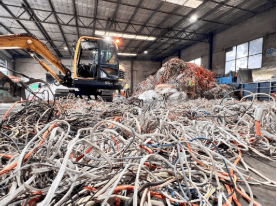
Most scrap metal collectors will accept any type of ferrous or non-ferrous metal. These include steel, cast iron, copper, aluminium, brass, stainless steel, and lead. Provided that you have scrap off-cuts, steel structures, electrical cables, or old machinery, all of these are usually accepted by recyclers. However, make sure to check with your collector first, as there may be some items that require individual assessment prior to collection.
Timing Your Collection Request
Recycling companies typically operate on a scheduled basis; thus, contacting them ahead of time will afford you more leeway. In case your facility is operating on a fast-track system or does not have much room for vehicle access, be sure to mention this early on. There may be facilities that can provide you with pick-ups on a recurring basis, especially if you have continuous sources of scrap metal.
What Happens After Collection
The scrap will then move off-site for processing. The quantity of the scrap is weighed, graded, and processed in another facility. The weighing will determine the price of the scrap rather than its estimated value. The scrap may either be sold within the country or exported.
See also: Crypto Adoption by Global Businesses
Factors That Influence Your Payment Rate
The payment rates vary because the price for metal is determined by the commodity market, and therefore, the time of sale affects the amount you will get. Aside from the fluctuations in the market, the grade of metal, as well as its cleanliness level, influences the amount that you will earn from your scrap. The more sorted metal you bring, the better chances you stand. There are different types of metal, and some of them earn better money compared to others.
Keeping Records of Your Disposals
It is worth maintaining a basic record of each collection, including the date, the type and approximate volume of material collected, and the name of the recycler. This becomes useful if your business is ever subject to a waste audit or if questions arise around disposal compliance. Some businesses also use these records to track scrap output over time, which can flag process inefficiencies or material losses on the production floor worth investigating.
Avoiding Common Mistakes
Remember that not all recyclers offer the same service. Some focus on specific metals while others handle only certain volumes. Hence, make sure you discuss this with your service provider about what you have and whether it suits their intake.
If your metal waste is piling up and starting to affect site operations or safety, then arranging for scrap metal collection becomes even more important. Make sure you get a system in place early to save hassle later. Sorting the materials, even a rough separation of ferrous and non-ferrous metals, is also an important step, as it puts you in a better position when pricing.
Getting Started
In case you have an ongoing production of metals as a result of commercial or industrial activities in Melbourne, then it might be wise to contact a recycler familiar with these processes.
Our firm, SRS Metals, recycles metals for commercial and industrial firms. Feel free to contact us at enquiries@srsmetals.com.au to see how we can help your firm.